Glorystar A21 headphones review (2026): Spatial audio with head tracking for gamers
Glorystar A21 Headphones review (2026): Spatial audio with head tracking for gamers
Quick take: If you care most about immersion for games and movies, the Glorystar A21 headphones puts spatial audio and head tracking front and center, pairing it with Adaptive Hybrid ANC and a long‑endurance battery claim. Several details still need public verification (codec matrix, multipoint, hinge durability), so consider this an evidence‑first preview that explains what the A21 headphones is aiming to deliver—and how we plan to validate it.
Disclosure: This is a first‑party review from Glorystar. We will clearly separate official product facts from items pending hands‑on or third‑party confirmation.
What’s new: spatial audio with head tracking
Spatial audio creates a three‑dimensional soundstage, letting you perceive distance and direction. Add head tracking via an onboard gyroscope and the scene stabilizes in front of you—even when you turn your head, the soundstage stays anchored to the screen. For gamers, that can mean clearer positional cues for footsteps and reloading, plus a more lifelike sense of space in open‑world environments.
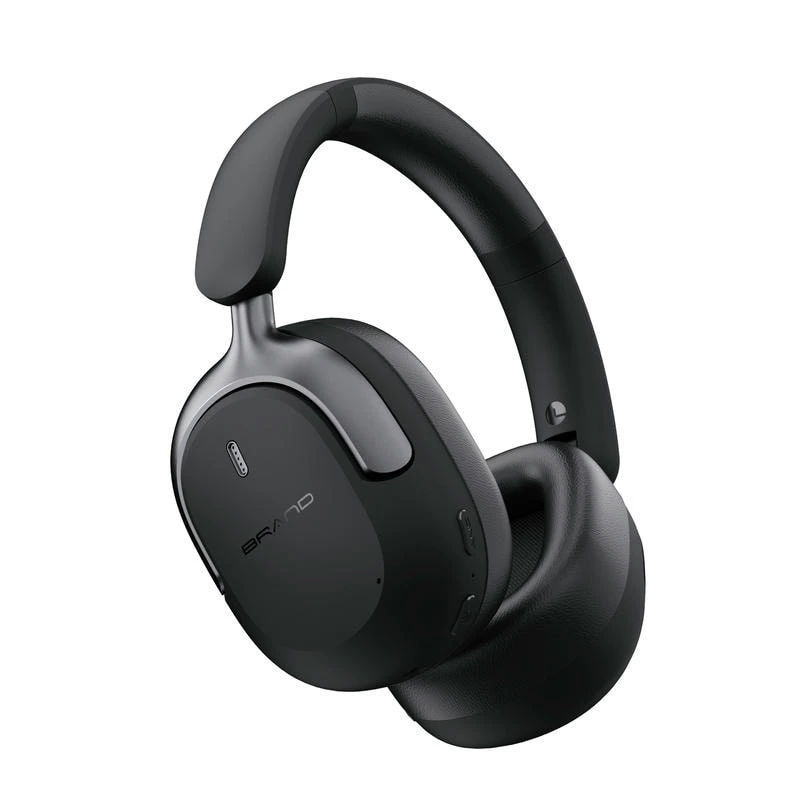
The A21 headphones is positioned as a wireless over‑ear with spatial processing and head tracking built in. If you’re watching supported content or using apps that enable 3D rendering, think of it this way: the A21 headphones aims to keep the “virtual speakers” locked in the room, not to your head. Platform support matters, so we’ll document formats and apps during testing. You can find the official overview on the Glorystar A21 Adaptive Hybrid ANC Headphones page and broader entertainment context on the Entertainment & Gaming page.
ANC and transparency: claims versus reality
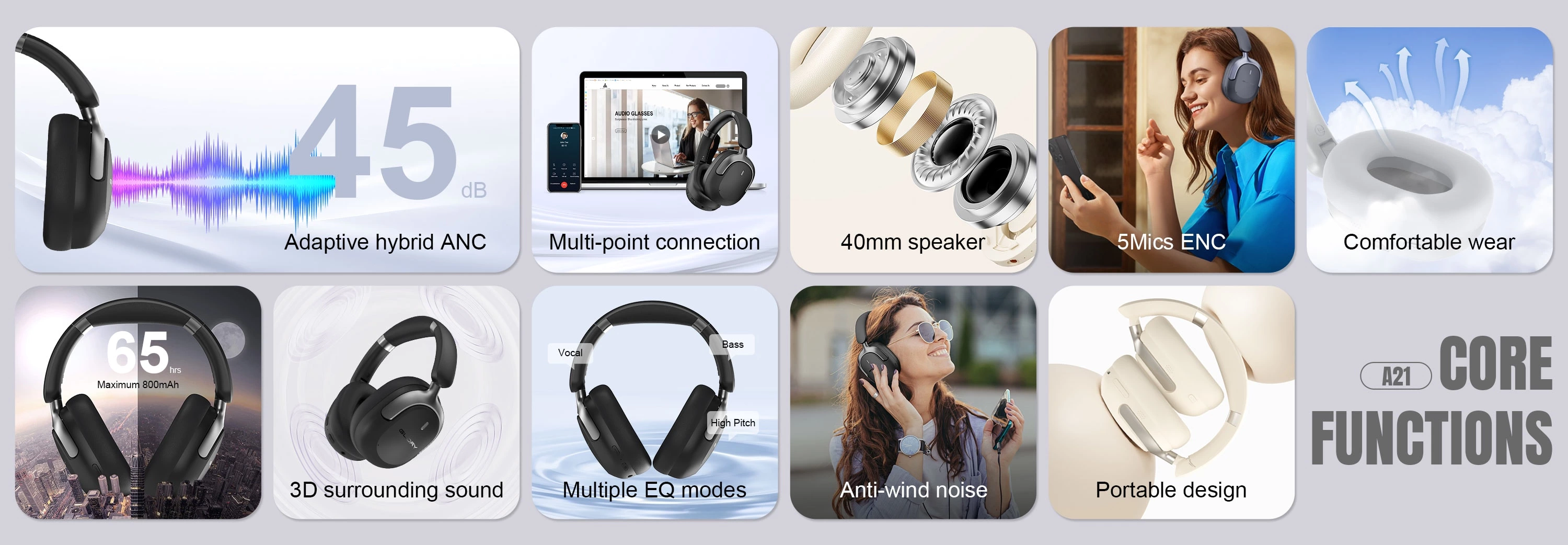
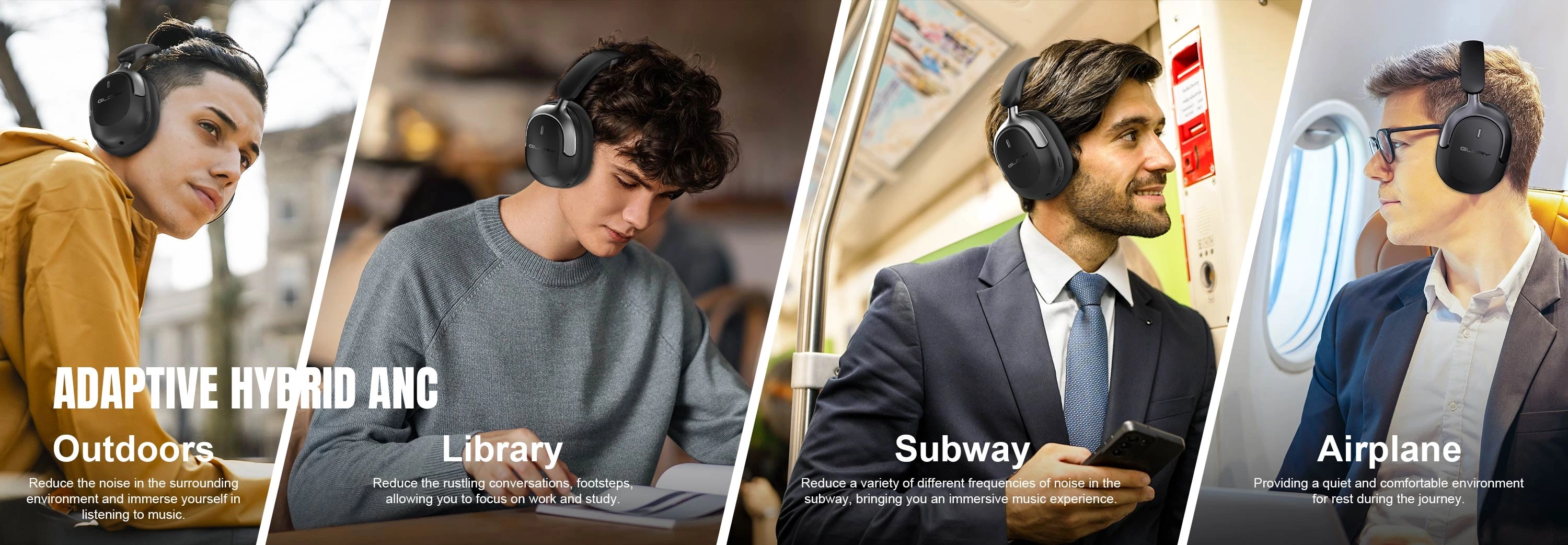
Official materials describe Adaptive Hybrid ANC with a headline figure of “up to 45 dB noise cancellation,” while the same page’s parameter table lists a “maximum noise reduction depth of about −30 dB” across an effective 30 Hz–2000 Hz band. Those are very different framings. Practically speaking, attenuation varies by frequency: low‑frequency rumbles (train, HVAC) are often easier to cancel than mid‑to‑high‑frequency speech.
To ground expectations, our lab protocol aligns to the measurement ideas in ETSI TS 103 640 for ANC headsets, using pink‑noise fields and controlled coupler captures to chart reduction across bands. We’ll also document wind behavior and how well the A21 headphones reduces human speech—a frequent commuter pain point. Until we publish curves, treat ANC depth as an official claim with conflicting figures, where we privilege the conservative spec‑table value in analysis. (Reference: ETSI TS 103 640.)
Gaming suitability: latency, codecs, and stability
Low latency is what makes a headshot feel in sync with the muzzle flash. End‑to‑end A/V delay depends on Bluetooth codec, device stack, and app pipeline. Industry testing shows typical ranges by codec—SBC and AAC are adequate for streaming but can be borderline for competitive gaming, while aptX Adaptive or LC3 can improve consistency when supported. For context, see the RTINGS overview on headphone latency and codecs, the SoundGuys guide to Bluetooth codecs, and this What Hi‑Fi explainer on codec choices and trade‑offs.
As of this writing, the A21’s codec matrix (SBC/AAC/aptX Adaptive/LE Audio LC3) isn’t publicly posted, and there’s no published gaming‑dongle option. Here’s the deal: we’ll measure median latency and variance across platforms (Windows, Android, iOS) and note any gaming mode that reduces delay. We’ll also log dropouts in crowded RF conditions and document multipoint switching time if multipoint is confirmed.
Battery and charging: endurance claims
The official page states up to 80 hours of playback with ANC off (100% volume) and up to 60 hours with ANC on, powered by an 800 mAh battery. That’s a bold endurance story for long work weeks or marathon gaming sessions.
Our endurance plan is simple and reproducible: fixed volume, continuous mixed‑genre playback until shutdown, tracking hours to empty with ANC on and off. We’ll time full recharge, note thermals, and quantify quick‑charge yield at 10, 15, and 30 minutes. Until those logs are published, treat runtime as an official claim rather than measured performance.
Calls and 5‑mic ENC for everyday work
The A21 headphones uses five microphones with environmental noise cancellation for calls. ENC targets the uplink—your voice—by suppressing background noise so teammates hear you more clearly. It differs from ANC, which quiets the world for you. In cafes and windy streets, robust ENC should preserve speech intelligibility without the “underwater” artifacts that can creep in when algorithms get aggressive.
We’ll benchmark the A21 with quiet‑room, pink‑noise, café ambience, and controlled wind profiles, then score intelligibility on a simple MOS‑like rubric. We’ll also check sidetone and beamforming behavior. Until then, consider call quality a design intent awaiting published samples.
Build, comfort, and durability
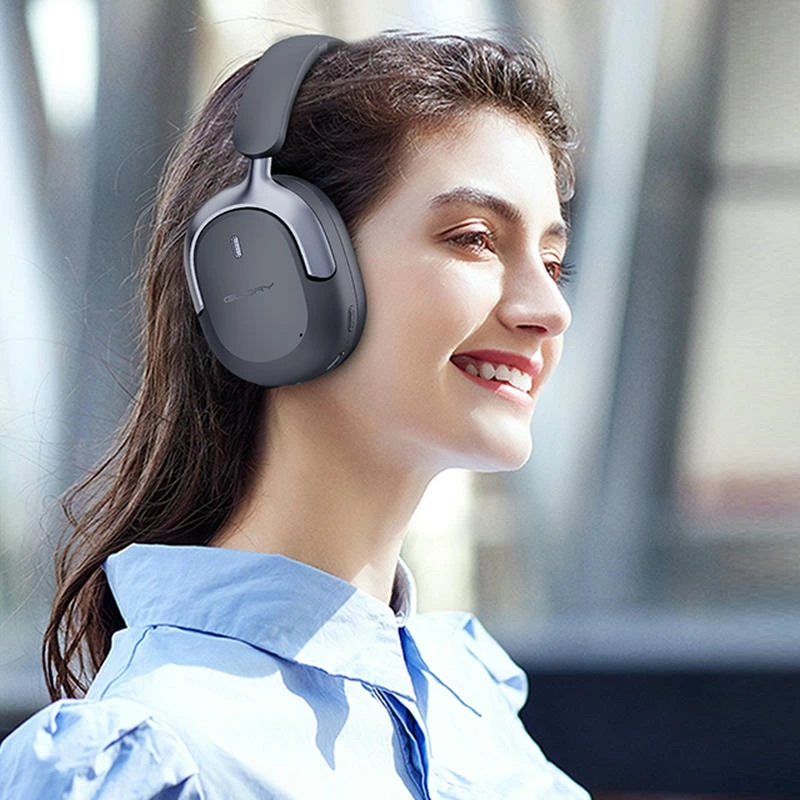
The A21 headphones highlights a metal‑forward chassis with an adjustable headband, memory‑foam padding, and soft leatherette cushions. Those choices typically balance sturdiness and comfort, but clamp force and heat buildup are the real tests for long gaming nights. We’ll log wear‑time to discomfort and note any hotspots.
Two items remain unconfirmed on the public page: foldable or rotatable hinges, and a “4000+ extension test” durability proof. We’ll verify hinge design and perform manual open/close cycles to evaluate stability over time. If official certifications (CE, FCC, RoHS, KC) are posted with model‑level IDs, we’ll link them; for now, certifications are described at a brand level on the Glorystar Brand Story.
AI translation for travel and global work
Glorystar materials describe AI‑assisted translation covering over 100 languages. A user‑submitted spec suggests 144 languages; because the official page does not list that exact figure, we’ll treat “over 100” as the current, verifiable claim. In practice, translation features can run on‑device, in a companion app, or in the cloud. We’ll map the workflow, permissions, and any visible privacy indicators (LEDs, UI prompts) and share round‑trip latency observations once testing is complete.
Competitor context for shoppers
Here’s how the A21’s focus slots into the market based on official positioning and well‑known category strengths.
| Model | Spatial and head tracking | ANC framing | Battery focus |
|---|---|---|---|
| Glorystar A21 | Built‑in spatial processing with head tracking noted on the product page | Adaptive Hybrid ANC with conflicting 45 dB headline vs ~−30 dB spec table | Official claim up to 80 h (ANC off), 60 h (ANC on) |
| Sony WH‑1000XM6 | Ecosystem‑assisted spatial modes via 360 Reality Audio on compatible devices | Market‑leading reputation with deep app controls | Around a day per charge under typical ANC use |
| Bose QuietComfort Ultra | Built‑in Immersive Audio with motion and still modes | Known for strong ANC and comfort | A workday or more depending on Immersive mode |
| Sennheiser Momentum 4 | No native head‑tracking claim emphasized; focus on sound and comfort | Adaptive ANC with a natural tuning | Long‑life reputation around multi‑day listening |
Note: Exact runtime and ANC rankings vary by test method and firmware. We’ll publish side‑by‑side data when our measurements are available.
How we would test the Glorystar A21 headphones review
To ensure repeatable, comparable results, we’ll use a structured protocol:
-
ANC and transparency: Controlled pink‑noise playback in a treated room; attenuation versus frequency captured with a coupler setup, aligned to the approach outlined in the ETSI TS 103 640 ANC test framework (linked above). Wind and speech suppression will be evaluated with fan rigs and voice tracks.
-
Spatial audio and head tracking: Positional tasks in 5.1/Atmos movie scenes and game scenarios; score localization consistency and drift per hour; document re‑center behavior.
-
Latency and connectivity: End‑to‑end A/V sync tests across platforms; codec detection screenshots; multipoint switching time if supported; RF‑dense drop‑out logging. Contextualized by the RTINGS latency primer, the SoundGuys codec guide, and What Hi‑Fi’s codec explainer.
-
Battery and charging: Continuous playback at fixed volume until shutdown with ANC on/off; recharge timing; quick‑charge yield at 10/15/30 minutes; temperature notes.
-
Calls and ENC: Speech intelligibility samples in quiet, café, pink‑noise, and wind; sidetone presence/quality; artifact notes.
-
Comfort and build: Clamp proxy, heat accumulation timing, hinge cycle checks; long‑session comfort logs.
We’ll tag every claim by evidence tier: Tier 1 official facts, Tier 2 our tested results, Tier 3 aggregated user/media sentiment. Untested items remain “Insufficient data.”
Who should buy the Glorystar A21 headphones review
-
Gamers and movie lovers who value head‑tracked spatial immersion and want a big‑battery claim for long sessions.
-
Hybrid workers who need ANC for commute and clear calls, and who prefer a metal‑forward build.
-
Privacy‑conscious travelers who want on‑demand translation with clear, documented permissions once verified.
Who should wait: Competitive gamers who require guaranteed sub‑80 ms Bluetooth latency without a dongle, or shoppers who need confirmed multipoint and hinge specs before buying. We’ll update this section once we publish measurements and confirmations.
Final word and where to learn more
The Glorystar A21 sets its sights on immersion: spatial audio with head tracking, Adaptive Hybrid ANC, and a claimed multi‑day battery. Several details—codec support, multipoint, hinge durability, and exact ANC depth—still require public verification. If our upcoming tests confirm stable head tracking, solid attenuation, and dependable endurance, the A21 will be an especially appealing pick for gamers and long‑form viewers.
To see the official specifications and updates, visit the Glorystar A21 product page. We’ll update this Glorystar A21 review as new firmware, documentation, or test data becomes available.