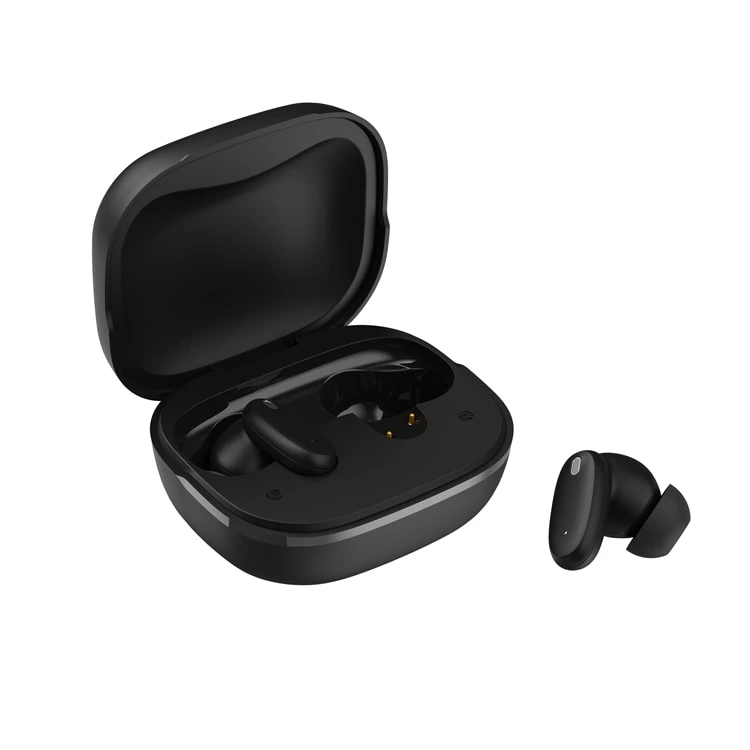
OWS Sport Earphones vs Bone Conduction Headphones Which Is Better for Athletes
You want sports headphones that match your training needs. OWS sport earphones deliver immersive audio with deep bass, making listening enjoyable during intense workouts. Bone conduction headphones keep your ears open, helping you stay aware of your surroundings while running or cycling outdoors. Comfort and fit matter when you exercise for long periods. Choosing the right headphones depends on your sport and environment, so consider how each option supports your safety and performance.
Key Takeaways
-
OWS sport earphones deliver richer sound with deep bass and clear highs, making them ideal for immersive workouts.
-
Bone conduction headphones keep your ears open, enhancing safety by letting you hear your surroundings during outdoor activities.
-
OWS sport earphones offer a secure fit and long-term comfort, perfect for high-intensity gym sessions and long workouts.
-
Open-ear designs in both headphone types improve situational awareness, helping athletes stay alert to traffic and hazards.
-
Choose headphones based on your sport, environment, and comfort needs to balance sound quality, safety, and durability.
Sound Quality: OWS Sport Earphones vs Bone Conduction Headphones
Audio Clarity and Bass
When you choose sports headphones, sound quality often tops your list. OWS sport earphones use air conduction, which means they send sound waves directly into your ears. This design gives you a high-quality sound with deep bass and crisp highs. You notice the difference right away, especially when you listen to music with strong beats or complex melodies.
Bone conduction headphones work differently. They use bone conduction technology to send vibrations through your cheekbones. This method keeps your ears open but changes the way you hear audio. You may find that the bass feels weaker and the highs sound less clear. If you love a rich listening experience, you might prefer OWS for their superior sound quality performance.
Here is a quick comparison based on laboratory sound tests:
| Feature | Oladance OWS Sport (Air Conduction) | Bone Conduction Headphones |
|---|---|---|
| Frequency Response | 20Hz-20kHz | 100Hz-16kHz |
| Maximum Output | 95+ dB SPL | 85-90 dB SPL |
| Bass Reproduction | Below 60Hz at meaningful volumes | Struggles below 100Hz |
| Environmental Awareness | 30-70% with transparency modes | 100% |
| Audio Clarity | Superior with richer bass and clearer highs | Reduced high-frequency response and altered timbre |
You get a fuller range of sound with OWS, especially in the lower bass notes. Many users praise OWS for letting them hear both their music and outside sounds, like a dog barking, without ear soreness even after hours of listening. This makes OWS sport earphones a top choice for athletes who want both comfort and high-quality sound.
Performance in Noisy Environments
Sound quality performance can change when you train in busy or loud places. OWS sport earphones usually offer better audio clarity in these settings. Their design helps block out some background noise, so you can focus on your workout playlist or podcast. You still stay aware of your surroundings, but your listening experience feels more immersive.
Bone conduction headphones keep your ears completely open. This feature gives you maximum environmental awareness, which is great for safety. However, it also means outside noise can overpower your music or calls. If you run or cycle in noisy urban areas, you might struggle to hear your audio clearly. Some users report that wind noise can overwhelm bone conduction headphones at higher speeds, making it hard to enjoy your listening experience.
Tip: If you want the best sound quality while still hearing your environment, look for OWS models with adjustable transparency modes. These let you control how much outside sound you hear during your workout.
Comfort and Fit for Athletes

Stability During Movement
You need sports headphones that stay secure during high intensity exercise. OWS sport earphones use hooks, wings, or fins to keep them in place. You can jump, run, or move quickly without worrying about them falling off. Laboratory tests show zero dislodgements in simulated impacts, even when running generates forces up to 2.5 times your bodyweight. Vertical movement during exercise can reach 5-10 centimeters, so headphones must handle strong inertial forces. OWS sport earphones like Beats Powerbeats Pro offer true wireless with hook designs, giving you industry-leading stability across thousands of simulated running impacts.
Bone conduction headphones use an open-ear design. They maintain environmental awareness, which is important for urban runners. Shokz OpenRun Pro uses PremiumPitch 2.0+ technology for audio delivery. These headphones stay in place during exercise, but some users report minor shifting during high intensity exercise.
| Feature/Technology | OWS Sport Earphones | Bone Conduction Headphones |
|---|---|---|
| Secure-fit mechanisms | Hooks, wings, or fins | Open-ear design |
| Stability during high-movement activities | Tested against athletic movements | Maintains environmental awareness |
| Impact resistance | Designed for high-impact activities | Utilizes bone vibration for audio delivery |
| Laboratory testing results | Zero dislodgements in simulated impacts | Specific technology for stability |
Long-Term Comfort
Comfort and fit matter when you exercise for long periods. OWS sport earphones feature an open-ear design and skin-friendly silicone material. Their lightweight build, only 26 grams, gives you a comfortable listening experience during workouts. You can wear them for hours without feeling pressure or soreness.
Bone conduction headphones often cause discomfort during high intensity exercise. Many athletes complain about ear discomfort and weaker bass quality. You may notice discomfort after extended use, especially if you exercise for long sessions.
-
Common comfort complaints:
-
OWS sport earphones: Lightweight, skin-friendly, comfortable listening experience.
-
Bone conduction headphones: Ear discomfort, weaker bass, less comfortable listening experience during high intensity exercise.
-
Tip: Choose sports headphones that match your exercise style. If you want a comfortable listening experience for long workouts, OWS sport earphones provide better comfort and fit.
Safety and Situational Awareness with Open-Ear Headphones
Ambient Sound Awareness
When you train outdoors, you need to hear what happens around you. Open-ear headphones help you stay connected to your environment. OWS sport earphones and bone conduction headphones both use open-ear designs. This means you can listen to music or podcasts while keeping your open ears free to pick up important sounds. You do not block out the world, so you notice things like car horns, barking dogs, or people calling your name.
Open-ear audio technology lets you enjoy your favorite tracks without losing touch with your surroundings. You get the benefits of music and motivation, but you also keep your situational awareness high. This is important for runners, cyclists, and anyone who spends time in busy parks or city streets.
Note: Open-ear headphones give you a balance between entertainment and awareness. You do not have to choose between safety and sound.
Outdoor and Urban Safety
Safety should always come first during outdoor activities. Open-ear headphones play a big role in keeping you safe. You can hear approaching vehicles, cyclists, or other hazards before they become a problem. This extra awareness helps you react quickly and avoid accidents.
Many athletes choose open-ear headphones for their ability to boost situational awareness. You can listen to music at a moderate volume and still hear traffic or people nearby. Some models, like the TREBLAB X-Open and Soundcore AeroFit 2, offer a secure fit and comfort for long sessions. Cyclists often prefer open designs because they can hear traffic and fellow riders, which helps prevent crashes.
-
Open-ear headphones enhance situational awareness, allowing you to hear:
-
Approaching vehicles and cyclists
-
Emergency sirens or alarms
-
Instructions from coaches or teammates
-
Unexpected sounds in your environment
-
-
For maximum safety:
-
Keep the volume at a moderate level.
-
Remove your headphones during technical group rides or when crossing busy intersections.
-
Choose sports headphones with a secure fit for comfort and stability.
-
You gain peace of mind when you use open-ear headphones during outdoor activities. You do not have to sacrifice your safety for music. Open-ear audio keeps you alert and ready for anything, whether you run, cycle, or walk in urban areas.
| Feature | Open-Ear Headphones Benefit |
|---|---|
| Situational Awareness | High |
| Comfort | Secure fit for long sessions |
| Safety in Outdoor Activities | Enhanced by open ears |
| Use in Urban Environments | Allows you to hear traffic and people |
Open-ear headphones, including ows and bone conduction headphones, give you the tools to stay safe and aware. You make better decisions when you hear what happens around you. This makes open-ear audio a smart choice for athletes who value both performance and safety.
Durability and Sweat Resistance in OWS and Bone Conduction Headphones

Build Quality
You want headphones that last through tough workouts and outdoor adventures. OWS sport earphones often use strong materials like reinforced plastics and flexible silicone. These materials help the earphones handle drops, bumps, and daily wear. You can twist or bend many OWS models without breaking them. This flexibility adds to their lifespan.
Bone conduction headphones also focus on durability. Many brands use titanium frames or sturdy polymers. These materials keep the headphones light but strong. You can wear them during intense activities like running or cycling. The open-ear design means fewer moving parts, which reduces the chance of mechanical failure. You get a reliable device that stands up to repeated use.
Tip: Check for reinforced joints and sweat-proof coatings. These features add extra protection and help your headphones last longer.
Water and Sweat Protection
Sweat and water can damage electronics. You need headphones with good water resistance for sports. Manufacturers use IP ratings to show how well headphones resist water and dust. The higher the IP rating, the better the protection.
Here is a quick look at popular models and their IP ratings:
| Model | IP Rating | Water Resistance Description |
|---|---|---|
| H20 TRI 2 | IPX8 | Can be submerged in shallow water for short periods. |
| OpenSwim Pro | IP68 | Suitable for submerged conditions and dust resistant. |
| Mojo 2 | IP67 | Ideal for sweaty workouts, providing good water resistance. |
You may see ratings like IPX4, IPX7, or IPX8. IPX4 gives basic splash resistance. It works for light sweat but not heavy rain. IPX7 is better for serious athletes. It protects against sweat and short-term water exposure. IPX8 offers the highest level. You can use these headphones for swimming or in heavy rain.
-
IPX4: Handles sweat and light splashes.
-
IPX7: Protects against sweat and brief water exposure.
-
IPX8: Safe for swimming and heavy sweating.
Choose headphones with a high IP rating if you train hard or outdoors. You get peace of mind knowing your device can handle sweat, rain, or even a quick dip in the pool.
Sport-Specific Use: OWS vs Bone Conduction
Running and Cycling
You need headphones that keep you safe and motivated during outdoor running or cycling. Many runners and cyclists choose bone conduction headphones because these devices let you hear ambient sounds. You stay aware of traffic, people, and other hazards. This awareness is vital for your safety. Bone conduction headphones from brands like Shokz resist sweat and weather, so you can train in tough conditions. Open-ear headphones help you enjoy music while keeping your ears open to the world. You get a secure fit and reliable performance, even on long routes.
Open-ear headphones give you confidence when you run or cycle outdoors. You hear your surroundings and avoid surprises.
Gym and CrossFit
You want headphones that stay in place during high-intensity workouts. Open-ear headphones offer a bounce-free design, so you can jump, lift, and move without distractions. Many athletes use OWS sport earphones or bone conduction headphones in the gym. You get quick charging and long playtime, which helps you train without interruptions. The table below shows features of the Shokz OpenRun Pro 2, a popular choice for gym and CrossFit:
| Feature | Shokz OpenRun Pro 2 |
|---|---|
| Fit | Secure, bounce-free design |
| Charging | 5-minute quick charge for 90 minutes of play |
| Suitability | Ideal for high-intensity athletics including CrossFit |
Open-ear headphones keep your ears comfortable and your focus sharp. You can hear instructions or chat with teammates while enjoying your playlist.
Swimming and Water Sports
You need headphones that handle water and sweat. Open-ear headphones designed for active lifestyles offer IPX5 waterproof rating, Bluetooth 5.4, AI noise reduction, and HIFI sound quality. You get minimal sound leakage and clear calls. Some open-ear headphones feature IPX7 waterproof rating, making them suitable for small ears and eyeglass wearers. You enjoy up to 50 hours of playback time.
-
OWS bone conduction earphones designed for active lifestyles
-
IPX5 waterproof rating for protection against sweat and rain
-
Bluetooth 5.4 for stable connectivity
-
AI noise reduction for clear calls
-
HIFI sound quality with minimal sound leakage
-
Open Ear Headphones with IPX7 waterproof rating
-
Suitable for small ears and eyeglass wearers
-
50 hours of playback time
Open-ear headphones let you train in the pool or on the water without worry. You stay connected and motivated, no matter where your workout takes you.
Wired vs Bluetooth: Athlete Preferences
Radio Frequency Concerns
You may wonder about the safety of Bluetooth headphones during your workouts. Many athletes share concerns about radio frequency (RF) exposure from wireless devices. Bluetooth headphones, especially those that sit close to your head, have sparked debates about possible health risks. Here are some key points you should know:
-
Some people worry about radiation exposure from Bluetooth headphones, like AirPods, and the potential link to cancer.
-
Over 250 experts from 40 countries have signed a petition warning against the use of these devices because of possible health risks.
-
The close contact of Bluetooth headphones with your skull raises questions about electromagnetic frequencies (EMF) and their possible carcinogenic effects.
You should stay informed about ongoing research in this area. If you feel uneasy about RF exposure, you might prefer wired headphones. Wired models do not emit radio frequencies, so you avoid this concern altogether.
Tip: If you choose Bluetooth headphones, look for models with low-energy Bluetooth technology. This feature reduces your exposure to electromagnetic frequencies.
Connection Stability
You want your headphones to stay connected during every workout. Wired headphones give you a direct connection to your device. You do not have to worry about signal drops or interference. This reliability makes wired options popular for athletes who train in busy gyms or areas with lots of wireless signals.
Bluetooth headphones offer freedom from tangled cords. You can move easily and keep your phone in your bag or pocket. Most modern Bluetooth sport headphones provide stable connections, but you may still experience occasional dropouts, especially in crowded places or near large metal objects.
| Feature | Wired Headphones | Bluetooth Headphones |
|---|---|---|
| Connection Stability | Always stable | Usually stable, may drop |
| Freedom of Movement | Limited by cable | High, no cables |
| RF Exposure | None | Present |
You should weigh the pros and cons based on your sport and comfort level. Wired headphones offer peace of mind for connection stability. Bluetooth headphones give you more movement and convenience.
Price and Value for Athletes
Cost Comparison
You want to get the best value when you buy suitable sports headphones. OWS sport earphones and bone conduction headphones come in a wide range of prices. Entry-level bone conduction headphones usually start around $50. Premium models can reach $150 or more. OWS sport earphones often fall between $80 and $200, depending on features like battery life, water resistance, and sound quality.
Here is a quick price comparison:
| Type | Entry-Level Price | Premium Price |
|---|---|---|
| OWS Sport Earphones | $80 | $200 |
| Bone Conduction Headphones | $50 | $150 |
You may notice that OWS sport earphones cost more than basic bone conduction models. The higher price often reflects better audio quality, longer battery life, and advanced features. If you want headphones for daily training or competitions, you should consider these factors before making a purchase.
Tip: Look for seasonal sales or bundle deals. Many brands offer discounts during holidays or special events.
Long-Term Investment
You should think about long-term value when choosing suitable sports headphones. A higher upfront cost can save you money over time if the headphones last longer and perform better. OWS sport earphones often use durable materials and have strong water resistance. This means you can use them for years without frequent replacements.
Bone conduction headphones also offer good durability, especially models with titanium frames. However, some budget options may wear out faster or lose sound quality after heavy use. You should check warranty policies and customer reviews before buying.
-
Consider these factors for long-term value:
-
Battery life and charging speed
-
Water and sweat resistance
-
Warranty and customer support
-
Replacement parts availability
-
You make a smart investment when you choose headphones that match your training needs and last through tough workouts.
Quick Comparison Table
Key Features at a Glance
You want to make a smart choice when picking headphones for your workouts. Comparing OWS sport earphones and bone conduction headphones side by side helps you see the differences quickly. The table below shows the most important features athletes consider:
| Feature/Type | Open Earbuds (OWS Sport Earphones) | Bone Conduction Headphones |
|---|---|---|
| Application | Running, cycling, daily sports | Long-distance running, cycling, swimming |
| Sound Quality | Better sound quality, stronger bass | Weaker bass, lower sound quality |
| Environmental Awareness | High, lets you hear your surroundings | Highest, keeps ear canal completely open |
| Comfort | High comfort, no foreign body sensation | High comfort, no pressure on ear canal |
| Disadvantages | Possible sound leakage, less stable during intense exercise | Possible sound leakage, needs good fit for quality |
Tip: You should focus on sound quality and comfort if you train indoors or want immersive music. For outdoor sports, environmental awareness and safety matter most.
You notice that OWS sport earphones give you richer audio and deep bass. Bone conduction headphones keep your ears open, which boosts your awareness in busy environments. Both types offer high comfort, but you may experience sound leakage with either option.
-
Open Earbuds work well for daily sports and gym sessions. You get strong bass and clear sound.
-
Bone Conduction Headphones excel in outdoor and water sports. You stay alert and safe, even when swimming or cycling.
You should check the fit and stability before buying. Some models shift during intense movement. Always look for a secure fit and water resistance if you train hard.
Note: The best headphones match your sport, environment, and comfort needs. Use this table to guide your decision and find the right pair for your athletic goals.
You should choose headphones based on your sport and comfort needs. Bone conduction headphones keep your ears open, which helps you stay safe and aware during outdoor activities. OWS sport earphones deliver richer sound and fit well for gym workouts. Sports technology experts recommend secure-fit and sweat-resistant models for durability.
-
Runners and cyclists benefit from open-ear designs for situational awareness.
-
Gym users prefer wingtip earbuds with noise cancellation.
-
Swimmers need waterproof headphones.
Bone conduction headphones offer long-term comfort and healthier ear canal conditions.Consider your training environment and prioritize fit, safety, and sound quality for the best performance.
FAQ
Are OWS sport earphones safe for outdoor running?
You stay aware of your surroundings with OWS sport earphones. The open-ear design lets you hear traffic, people, and other important sounds. This feature helps you stay safe during outdoor runs.
Do bone conduction headphones work for swimming?
You can use waterproof bone conduction headphones for swimming. Look for models with an IPX8 rating. These headphones resist water and let you listen to music while you swim laps.
Which type offers better battery life?
Most OWS sport earphones provide longer battery life than bone conduction headphones. You can expect up to 16 hours of playtime with some OWS models. Always check the specifications before you buy.
Can I wear glasses with these headphones?
You can wear both OWS sport earphones and bone conduction headphones with glasses. Many athletes find bone conduction models more comfortable with eyewear because they rest outside your ear canal.